
Game progression is one of the most powerful elements of modern video game design. Whether players are unlocking new abilities, collecting rare items, climbing competitive rankings, or completing a battle pass, the feeling of moving forward gives them a reason to keep playing. Even simple games can become highly engaging when every session offers a clear goal and a chance to improve.
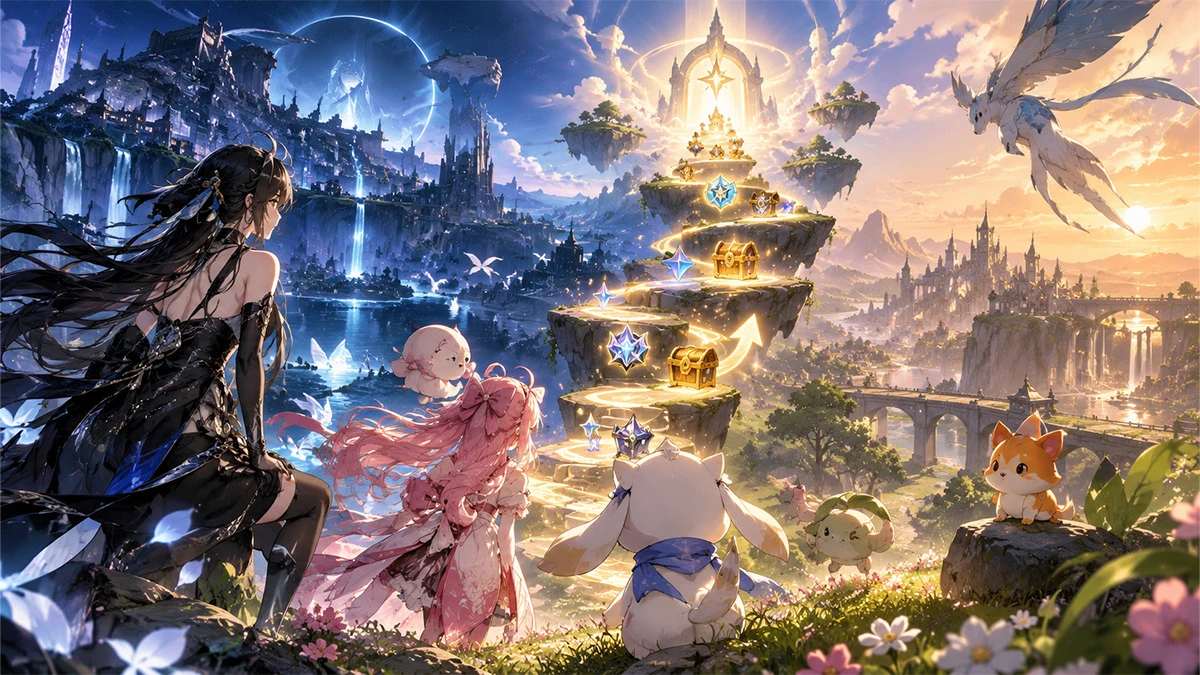
But why does progression feel so satisfying? The answer lies in the combination of psychology, reward systems, personal achievement, and carefully designed gameplay loops. Understanding these elements explains why players often return to a game even after completing dozens of missions or reaching significant milestones.
The Psychology Behind Progression
People naturally appreciate visible signs of improvement. Learning a skill, solving a difficult problem, or reaching a personal goal can provide a sense of accomplishment. Video games turn this experience into a structured system where progress is easy to see and measure.
A player might start with basic equipment, limited abilities, and a low rank. Over time, they unlock upgrades, improve their performance, and gain access to new challenges. Each step provides evidence that their effort has produced results.
This sense of progress can be motivating because players do not have to guess whether they are improving. Experience points, achievement notifications, unlocked content, and ranking systems make advancement visible.
Progression also creates anticipation. When players are close to unlocking a new character or reaching the next level, they have a specific reason to continue. The next reward feels achievable, making another match or mission seem worthwhile.
Small Rewards Keep Players Moving Forward
Many games break long-term goals into smaller milestones. Instead of requiring players to complete an enormous challenge immediately, they provide frequent opportunities to make progress.
For example, a role-playing game might reward players with experience points after each battle. A competitive shooter might track daily challenges alongside long-term rankings. A mobile game might introduce new upgrades after completing several short levels.
These smaller achievements create a repeating gameplay loop:
- Set a goal: The player sees a new level, upgrade, or achievement to unlock.
- Take action: They complete missions, defeat opponents, or collect resources.
- Receive feedback: The game displays progress through points, animations, or rewards.
- Choose the next goal: A new milestone encourages further play.
The loop works because the player receives feedback without having to wait until the entire game is completed. However, rewards are most meaningful when they reflect genuine effort or introduce something useful, rather than simply appearing after every minor action.
Why Unlocking New Content Feels So Good
Progression is not only about increasing numbers. Unlocking something new can change how a game feels and what players can do.
A new weapon might encourage a different combat strategy. An unlocked character could introduce unfamiliar abilities. Access to a new region might reveal additional quests, enemies, and storylines.
These rewards provide both achievement and discovery. Players are not merely getting closer to finishing a task; they are gaining access to new experiences.
Customization can make progression even more personal. Skins, outfits, weapon appearances, and other cosmetic items allow players to express their preferences and distinguish their characters from others. Because these items can become associated with particular achievements or memorable moments, they may hold value beyond their gameplay function.
In multiplayer games, cosmetic rewards can also become part of a player’s identity. A rare skin might represent dedication, celebrate participation in an event, or simply match a player’s preferred style.
The Endless Treadmill: When Progression Becomes a Habit
One reason some games maintain long-term engagement is that they rarely allow progression to end completely. After players reach one milestone, the game presents another.
A player might finish a set of missions, only to discover a new challenge. Reaching a competitive rank can create the desire to climb higher, while completing a battle pass may lead directly into the next season.
This structure can be motivating, but it also has a potential downside. When every achievement immediately leads to another objective, players may struggle to recognize a natural stopping point.
Several mechanics can reinforce this pattern:
- Daily quests: Encourage players to return regularly.
- Limited-time events: Create urgency around rewards that may disappear.
- Ranked ladders: Provide continuing goals for competitive improvement.
- Battle passes: Connect multiple rewards to a progression track with a deadline.
These features are not automatically harmful. They can give players structure and introduce fresh content. Problems may arise when fear of missing rewards or losing progress becomes a stronger motivation than enjoyment.
How Difficulty and Skill Improvement Affect Progression
Progression is most satisfying when challenges match a player’s abilities. If a game is too easy, advancement may feel meaningless. If it is consistently too difficult, players may become frustrated and stop trying.
Well-designed games gradually introduce new mechanics, increase challenge, and give players opportunities to develop their skills. A difficult boss fight, for example, becomes rewarding when players learn its attack patterns and eventually defeat it.
Failure can also contribute to progression. Even when an attempt ends unsuccessfully, players may discover a better strategy, improve their timing, or understand a mechanic more clearly.
This is particularly important in competitive games. Players often return not only to earn rewards but also to improve their personal performance. A better match, a higher rank, or a new personal record can provide a sense of achievement that goes beyond unlocking items.
Progression and In-Game Spending
Progression systems sometimes connect achievement with monetization. Players may be able to purchase additional currency, premium passes, or bundles that provide access to rewards and customization options.
For players who enjoy collecting items or advancing through seasonal content, these purchases can be appealing. However, it is useful to distinguish between spending that improves enjoyment and spending driven by pressure, impatience, or fear of missing out.
If you are an experienced gamer who regularly purchases in-game currency or game bundles, you can check top up cheap for game currencies and packages at competitive prices. Comparing available offers and deciding on a budget beforehand can help you get more value from your purchases without turning progression into an unnecessary expense.
Conclusion: Is Game Progression Good for Players?
Game progression is compelling because it combines clear goals, measurable improvement, meaningful rewards, and anticipation of what comes next. It gives players a reason to invest time in a game while making their achievements visible.
The best progression systems respect the player’s time. They offer worthwhile milestones, introduce challenges at an appropriate pace, and allow players to enjoy their accomplishments without constant pressure to continue.
Ultimately, progression is most rewarding when it supports the fun of playing rather than replacing it. Whether you are leveling up a character, improving your competitive rank, or collecting cosmetic items, the experience should leave you feeling that your time was well spent.